
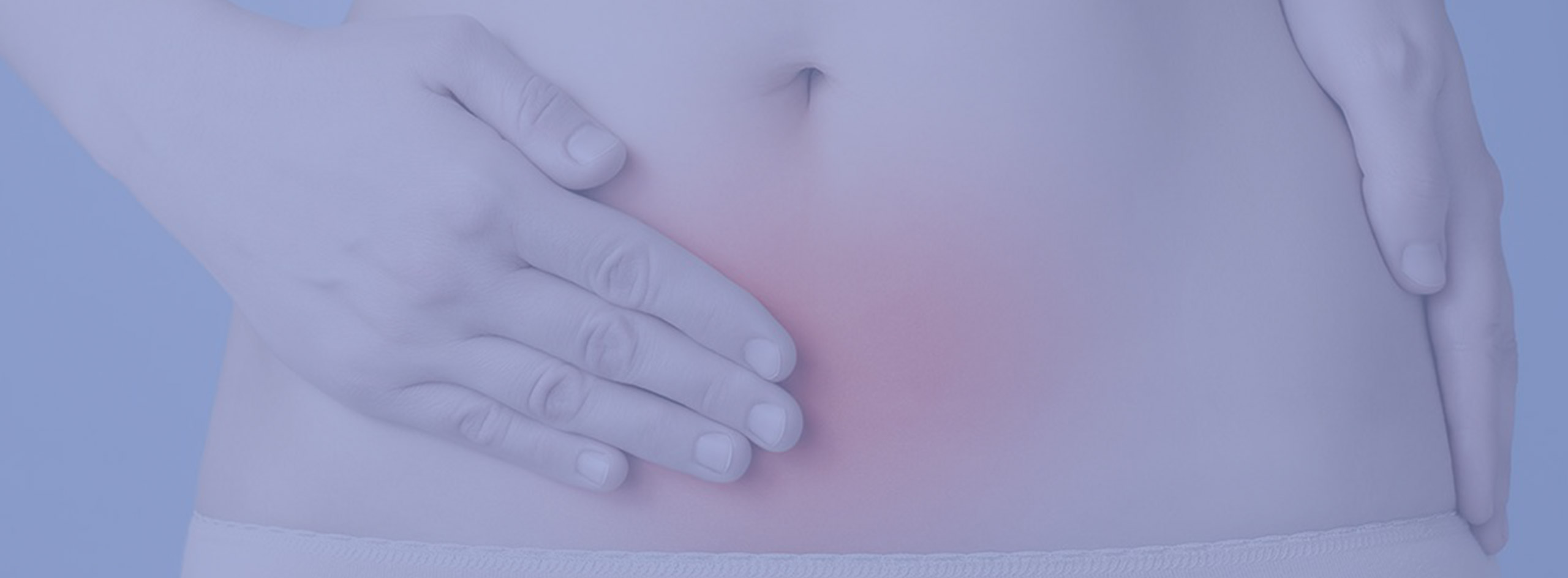
What is Pain Management?
Pain Management is medical care focused on assessment and management of acute, persistent, chronic or complex pain. Care may involve clinical investigation, review of tests, medication when indicated, physical therapies, psychological support, routine changes, procedures in selected cases and integration with other specialties.
Strategies depend on pain type, duration, likely cause, intensity, daily-life impact, previous treatments and associated conditions.
Acute, chronic and complex pain: what is the difference?
Acute pain
Usually has a recent onset and may be linked to injury, inflammation, surgery, infection or another identifiable event.
Chronic pain
Persistent or recurrent pain over a prolonged period; it may remain even after the initial condition has been treated.
Complex pain
May involve physical, inflammatory, neurologic, muscular, functional and emotional factors, without making the pain imaginary.
When should you seek pain assessment?
- Persistent or recurrent pelvic pain
- Pain associated with endometriosis
- Pain during or after sexual intercourse
- Urinary, bowel or pelvic pain without a defined cause
- Pain that persists after surgery or treatment
- Burning, shock-like pain, tingling or hypersensitivity
- Fibromyalgia or widespread pain
- Persistent low back, neck, thoracic or musculoskeletal pain
- Pain related to scars, adhesions or previous procedures
- Cancer-related pain or pain after cancer treatment, according to confirmed scope
Strategies depend on pain type, duration, likely cause, intensity, daily-life impact, previous treatments and associated conditions.
Chronic pelvic pain and women’s health
Chronic pelvic pain may be related to gynecologic, urinary, bowel, muscular, neurologic, hormonal and emotional factors. Investigation often requires an integrated view of different systems and daily-life impact.
Pain in endometriosis
Endometriosis may be associated with intense cramps, chronic pelvic pain, pain with intercourse, pain with bowel movements or urination, low back pain and symptoms that vary through the cycle.
When pain persists despite treatment
Some patients continue to have pain after previous treatments. In these cases, diagnosis, muscular, nerve, urinary, bowel, adhesion, pain-sensitization and emotional-impact factors may need reassessment.
Neuropathic, musculoskeletal pain and fibromyalgia
Not every pain comes directly from a gynecologic lesion. Some pain can involve nerves, muscles, joints, fascia, spine, nervous-system sensitization or complex pain syndromes.
Dor neuropática / Neuropathic pain / Douleur neuropathique
Pode envolver queimação, choque, formigamento ou hipersensibilidade.
Dor musculoesquelética / Musculoskeletal pain / Douleur musculosquelettique
Pode envolver músculos, articulações, coluna, fáscias e movimento.
Fibromialgia / Fibromyalgia / Fibromyalgie
Dor difusa exige avaliação individual; nem toda dor difusa é fibromialgia.
Cancer pain and supportive care
Patients in cancer investigation, treatment or follow-up may experience pain related to disease, surgery, radiation therapy, chemotherapy, neuropathy, scars or other conditions. Pain management may be part of supportive care, without promising complete control.
How does pain assessment work?
Listening and pain history
The consultation considers onset, location, intensity, duration, pattern, triggers, relieving factors, associated symptoms and routine impact.
Test review
Previous tests may help, but normal tests do not invalidate pain. New tests depend on assessment.
Hypotheses and integration
The team considers gynecologic, urinary, bowel, neurologic, musculoskeletal and functional causes.
Individualized plan
The plan may combine strategies and be reviewed according to progress, response and safety.
Which care options may be part of pain management?
Care may combine medication when indicated, review of gynecologic or surgical treatment, physical therapies, psychological support, routine adjustments, follow-up and procedures in selected cases. Procedures do not automatically replace baseline care and may require referral.
| Base | Integração | Procedimentos | Acompanhamento |
|---|---|---|---|
| Medicamentos e orientações quando indicados. | Ginecologia, endometriose, uroginecologia, cirurgia, nutrição e oncologia conforme o caso. | Podem ser considerados em casos selecionados, sem promessa de resultado. | Revisão do plano conforme evolução, segurança e impacto funcional. |
What should you bring to the pain consultation?
- Previous tests and reports
- Medication list and treatments already tried
- Information about surgeries and previous procedures
- Menstrual-cycle information when related to pain
- Pain diary, if available
- Written questions and consultation goals
Pain management integrated with women’s health
Pain may relate to different areas of health. When needed, pain management can integrate with other Medicina da Mulher specialties to align investigation, diagnosis and care planning.
Endometriosis
Endometriosis Mapping
Gynecology and Obstetrics
Urogynecology
Gynecological Surgery
Nutrition
In-person care and teleconsultation
Clinica Medicina da Mulher provides in-person care in Sao Paulo and can guide teleconsultation for pain assessment according to clinical need, team availability and applicable medical-care rules.
Start contact with the team
Tell the team the main type of pain, duration, available tests and treatments already tried. Avoid sending long reports, intimate images or sensitive data before guidance.
By sending information through the service channels, you authorize the team to contact you with booking guidance, according to the privacy policy.
Frequently asked questions about Pain Management
Assesses pain type, history, tests, prior treatments, functional impact and associated factors to guide an individualized plan. This page does not confirm a specific pain specialist.
When pain persists, returns often, limits activities or affects sleep, work, sexuality, mobility or expected recovery.
No. Endometriosis can cause pelvic pain, but urinary, bowel, muscular, neurologic, hormonal, functional or multiple causes may be involved.
No. Chronic pain is a complex sensory and emotional experience, but it is not imaginary or only psychological.
It is not appropriate to promise cure. The goal is to understand pain, reduce impact when possible, improve function and adjust care safely.
Assessment considers pain history, location, intensity, duration, triggers, relieving factors, associated symptoms, tests, prior treatments and daily-life impact.
Medication, physical therapies, routine adjustments, psychological support, review of baseline treatment, follow-up and procedures in selected cases may be considered.
There is no promise of resolution. In some contexts they may be considered, depending on diagnosis, risks, benefits, alternatives and service availability.
It can help in some cases, especially when the pelvic floor is involved, but indication depends on individual assessment.
It can be part of care when indicated, especially because pain affects sleep, routine, anxiety, mood and quality of life, without reducing pain to emotions.
Usually yes. Neuropathic pain may involve burning, shock, tingling or hypersensitivity; muscle pain may relate to tension, movement or tender points.
The team can guide this according to clinical need and applicable rules. Some situations require in-person assessment or imaging review.
Bring tests, reports, medication list, previous treatments, surgical history, menstrual-cycle information when relevant and written questions.
The page guides integrated assessment of pain associated with endometriosis. Current scope and professionals should be confirmed with the service team.
There is no promise of pain resolution. Surgery may be discussed in selected cases, but persistent pain can involve multiple factors.